Surviving a Flash Flood: A Canyoneering Guide’s Story in Water Canyon

Jillian Mielke • October 27, 2026
Divider
A black and white image of a mountain range on a white background.

I've hesitated about whether to share this story. Part of me is embarrassed that I was in this situation in the first place. As a professional canyoneering guide near Zion National Park, there's a certain vulnerability that comes with admitting that you found yourself in a situation where things could have gone very, very wrong. We spend our careers talking about canyoneering safety, risk management, weather, rescue, and knowing when to turn around. We're supposed to know better. But another part of me is incredibly proud. I'm proud that I recognized the signs, trusted my instincts, and made the decision to get myself and my two guests out of a slot canyon just minutes before a massive flash flood ripped through it. Both things can be true.


This is the story of that day in Water Canyon, near Zion National Park, and what it taught me about Utah flash floods, slot canyon safety, and trusting your gut when conditions begin to change.

A Guided Canyoneering Trip Near Zion National Park

This happened in September. I was booked for a seven-hour Guide Recommendation Tour with two women who had noted in their booking that they were rock climbers and had been canyoneering before. They were loosely looking for a "course" — some instruction on canyoneering techniques and how those techniques relate to climbing. They were about my age, totally fit, and sounded like exactly the kind of people I would be friends with. In other words, they were exactly the kind of guests I love guiding. So I stole the trip from Nathan and booked myself as the guide.


The evening before the trip, we stayed up late watching the radar. And honestly, how could we sleep? Thunder was booming loudly enough to rock the window panes, and the weather had been absolutely hammering southern Utah. This wasn't just your average monsoon afternoon. This was a mega, big-daddy kind of flash flood happening in the middle of the night. At the same time, the entire area was already dealing with the aftermath of several days of monsoon weather. The Zion shuttle wasn't running because of debris in the road, and the switchbacks connecting Springdale with the east side of the park were closed because of landslides. There was no indication of when those roads might reopen, let alone what the canyons they provided access to would look like after such powerful flooding. One thing was certain: we were in for a real adventure the next day.


The original plan was no longer practical, so I texted my guests the evening before to see if they would be willing to change our meeting location.


"I'm hopeful that you'll agree to meeting up at the Border Store in Hildale instead of the other meeting location, as I don't believe you'll be able to easily access Mount Carmel due to the closure of SR9 and some surrounding county roads. Be ready for some wild and unexpected canyon conditions. I'm psyched!"


They immediately called me back and told me they were excited about the possibility of some big adventures into unknown conditions. We changed the meeting location to the Border Store in Hildale and eventually settled on Water Canyon, which had then been thoroughly beaten up by the weather overnight. I was fully prepared for and expecting Class C flowing-water conditions. I told my guests we should be ready to swim and encounter unknown obstacles: new or moved boulders, huge trees or log jams plugging the canyon, washed-out sections of trail, and even the possibility of road closures. We knew we were heading into a canyon that had changed significantly over the previous 24 hours. We were ready to get after it.

Red sandstone canyon cliffs under a clear blue sky, with sparse green shrubs in the foreground

Checking the Forecast for Southern Utah Flash Floods

The morning of the trip, I checked the weather forecast. Then I checked it again a few hours later. Conditions were looking stable. The forecast called for a 30% chance of precipitation, with essentially zero inches expected, beginning and ending around 1:00 p.m. That's a pretty normal summer forecast in southern Utah. My spidey senses were definitely piqued because of the recent flooding, but the actual forecast was telling me that conditions were stable enough to proceed. Before we lost service, I checked one final time. The forecast still held.


So I made a plan. We would be out of harm's way by 1:00 p.m. That didn't necessarily mean we needed to be back at the car by then. We could still be hiking or driving at 1:00, but we should not be inside the slot canyon itself. That seemed like a reasonable margin. We had a plan, we had discussed the weather, and we knew what we were watching for. Perfect.


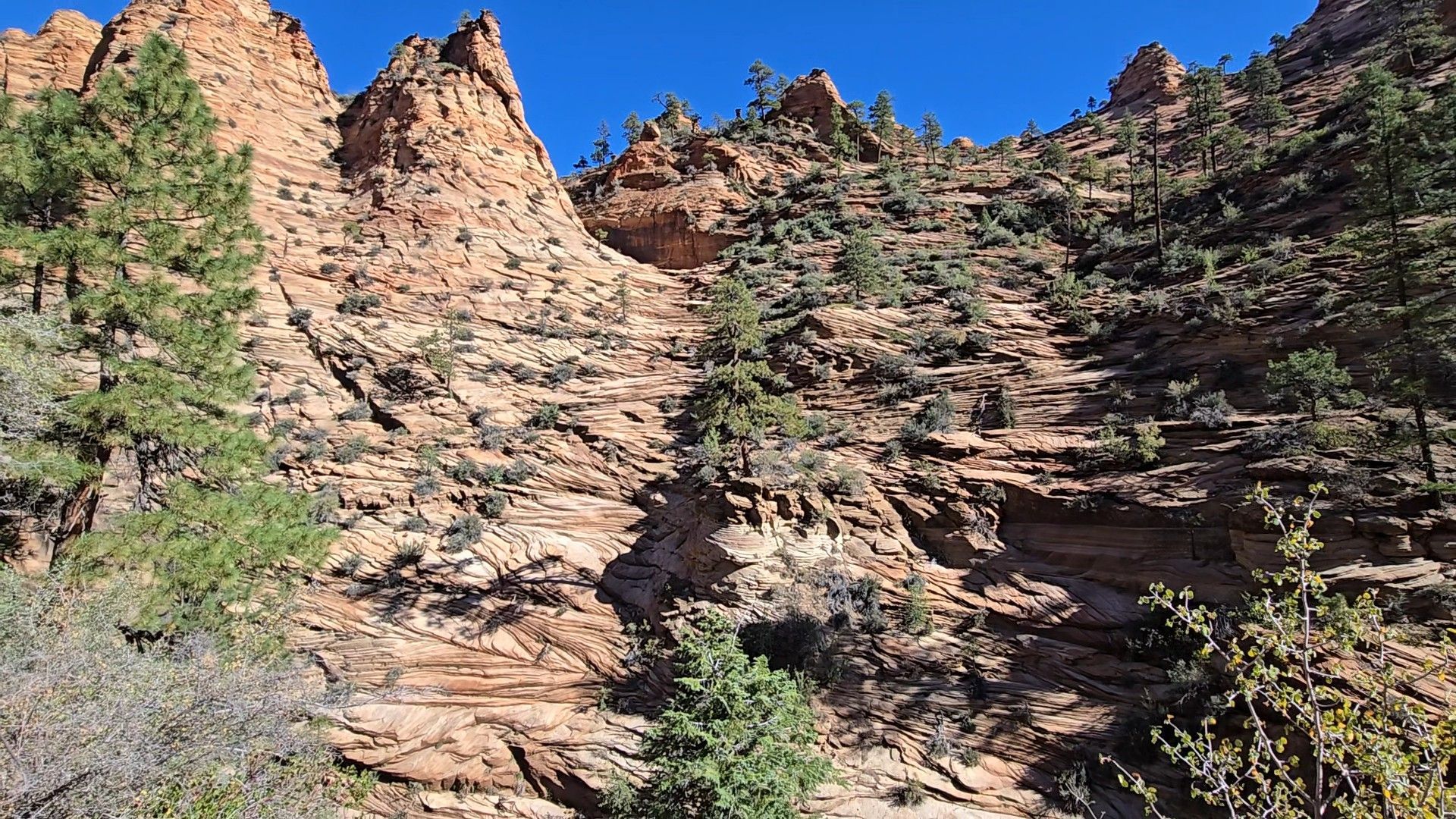
My guests were strong hikers, and we made quick work of the approach. We beelined it toward the middle entrance of Water Canyon, talking and laughing along the way. At one point, I pointed out a dryfall — essentially a waterfall that only carries water while it's actively raining — that I'd heard was often one of the first places in the canyon to start flowing. (see image above) We stopped there for about ten minutes, admiring the geology and enjoying what was, at that moment, a beautiful day. Most importantly, the dryfall was completely dry.


We continued into the canyon. At the first rappel, everything still looked like a go. We spent at least an hour talking about anchors, rope management, rappelling backup methods, climbing, guiding, and pretty much everything else that comes up when three people are having a good time in a canyon. My first guest rappelled, and while she was sitting at the bottom, we noticed some rain clouds building. It was only 11:15 in the morning. Why so early? This section of the canyon has many escapes, so we moved forward. The second guest went down, and I followed shortly afterward. We cleaned up the station and started walking toward the next rappel. That one went off without a hitch. There were a few raindrops — enough to get our attention, but certainly not enough to put the fear of God into anyone.


Then we reached the third rappel. The Intimidator.

The Intimidator: Assessing Canyoneering Safety

When we reached the anchor at the top of the Intimidator, I pointed out something that suddenly felt important: this was a place where we could get out of the canyon if we needed to. At that moment, conditions were still holding. There was no raging water, no wall of debris coming down the canyon, and not even particularly heavy rain. So we sent the first guest down.


She had barely left the edge before I started noticing that things were changing. By the time she reached the canyon floor, less than two minutes later, the weather had shifted enough that I wanted to get us out. I yelled down and asked if she felt comfortable giving a fireman's belay to her partner and me. I wanted to save time. At that point, I wasn't terrified. I didn't think we were about to die. But I was ready to leave.


That distinction matters. Sometimes risk doesn't announce itself with a giant flashing sign. Sometimes it's simply a growing feeling that conditions are no longer what you want them to be. I decided it would be faster for the other guest and me to rappel down rather than bring the first guest back up, so we continued. As I rappelled, the weather worsened, but here's the strange part: the water flowing through the canyon hadn't changed. It was still the same soupy puddles we'd been seeing all morning. The rainfall was still relatively light. The canyon floor wasn't suddenly filling with water. But the thunder was getting louder.


I yelled down to have one guest start cleaning up the rope while the other prepared to pull it. When I reached the bottom, I was still calm enough to stop and teach them one of the little tricks of rappelling: how to cool a hot rappel device in a pool of water so you don't burn your leg, clothing, or gear. We worked efficiently. The rope was pulled, the station was packed up, and then I acknowledged what we could all hear. There was now booming thunder. The canyon was not flowing. The rain was still light. But I was done.


As my feet hit the ground, the first words out of my mouth were, "Time to go."

Four Minutes to Escape a Slot Canyon

From the bottom of the Intimidator to the staple where the Tyrolean Traverse begins is only about four minutes of hiking. We were still laughing as we made our way through the canyon. At one point we splashed through quicksand, giggling like idiots. The trail passes directly beneath the dryfall I'd pointed out earlier, and when we walked past it, it was still completely dry.


That's the part of this story that sticks with me. Nothing looked particularly dramatic yet. I wasn't watching a wall of water bearing down on us. I wasn't terrified. I wasn't even certain we needed to leave permanently. I honestly thought we'd climb out of the canyon, sit on the rim, let the thunderstorm fizzle out, and then go back in and continue our adventure. But, for now, I was done being in the canyon.


If I'm being honest, I don't really know why. If I were a religious woman, I might say it was God compelling me to climb out of there. I've heard a definition of "flow state" that describes the feeling that you can't do anything wrong — every decision you make feels like the perfect decision, and you're simply moving from one thing to the next. Looking back, that's what this felt like. I casually told my guests, "Alright, we're going up here." It wasn't an obvious trail, and it was a tricky climb out, but they were climbers, so I knew they had the skills to make it happen. We worked together, climbing a series of ledges that eventually brought us to a perch roughly 100 feet above the canyon floor.


The whole process took about three minutes. And during those three minutes, the weather went from drips to downpour.


By the time we reached the canyon rim, we were completely soaked. We hadn't even had time to put our raincoats on. Then we looked down.

Two muddy waterfalls rushing down a rocky hillside in a barren landscape

From Dry to More Than 1,000 CFS: The Power of a Flash Flood

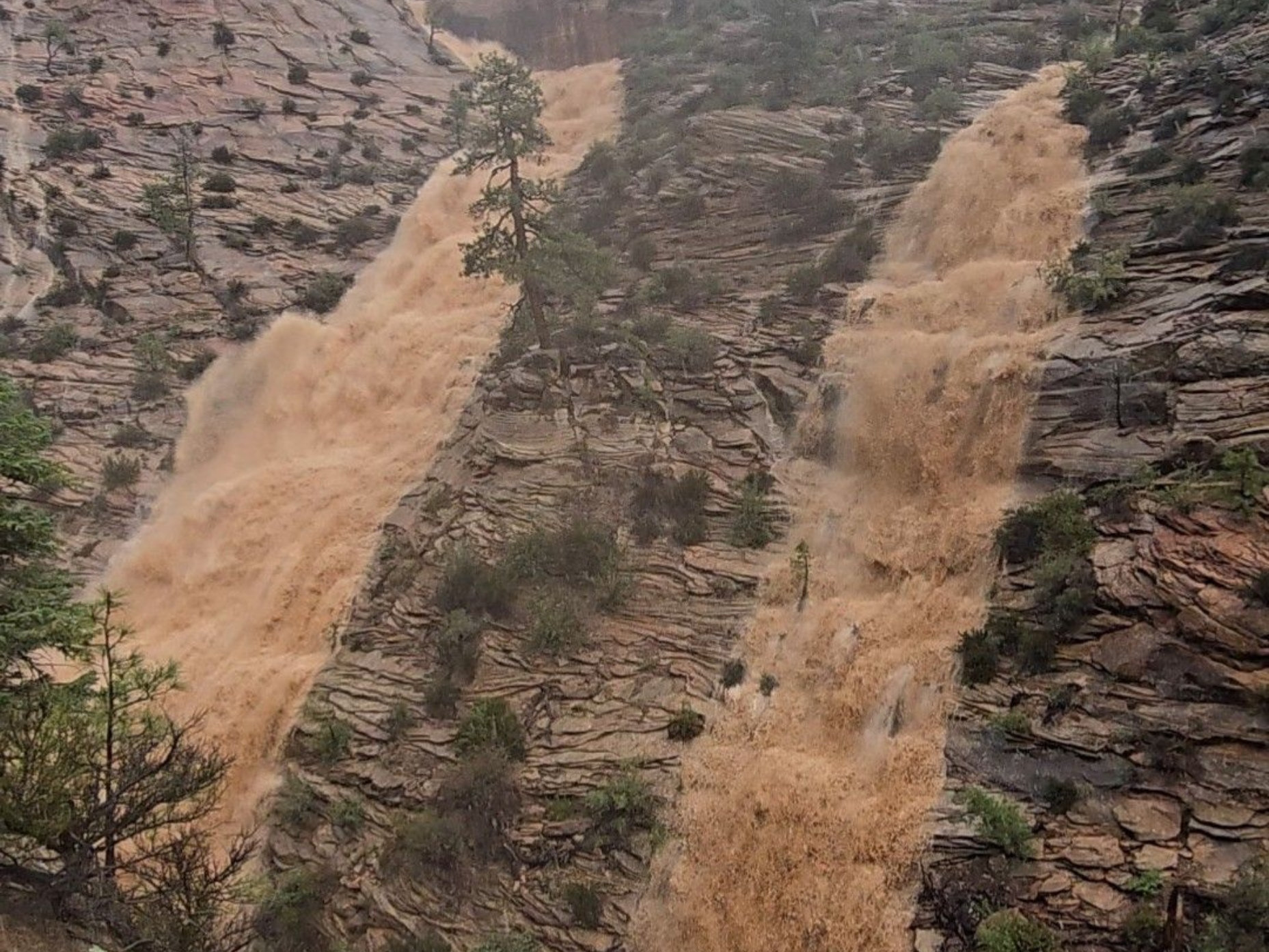
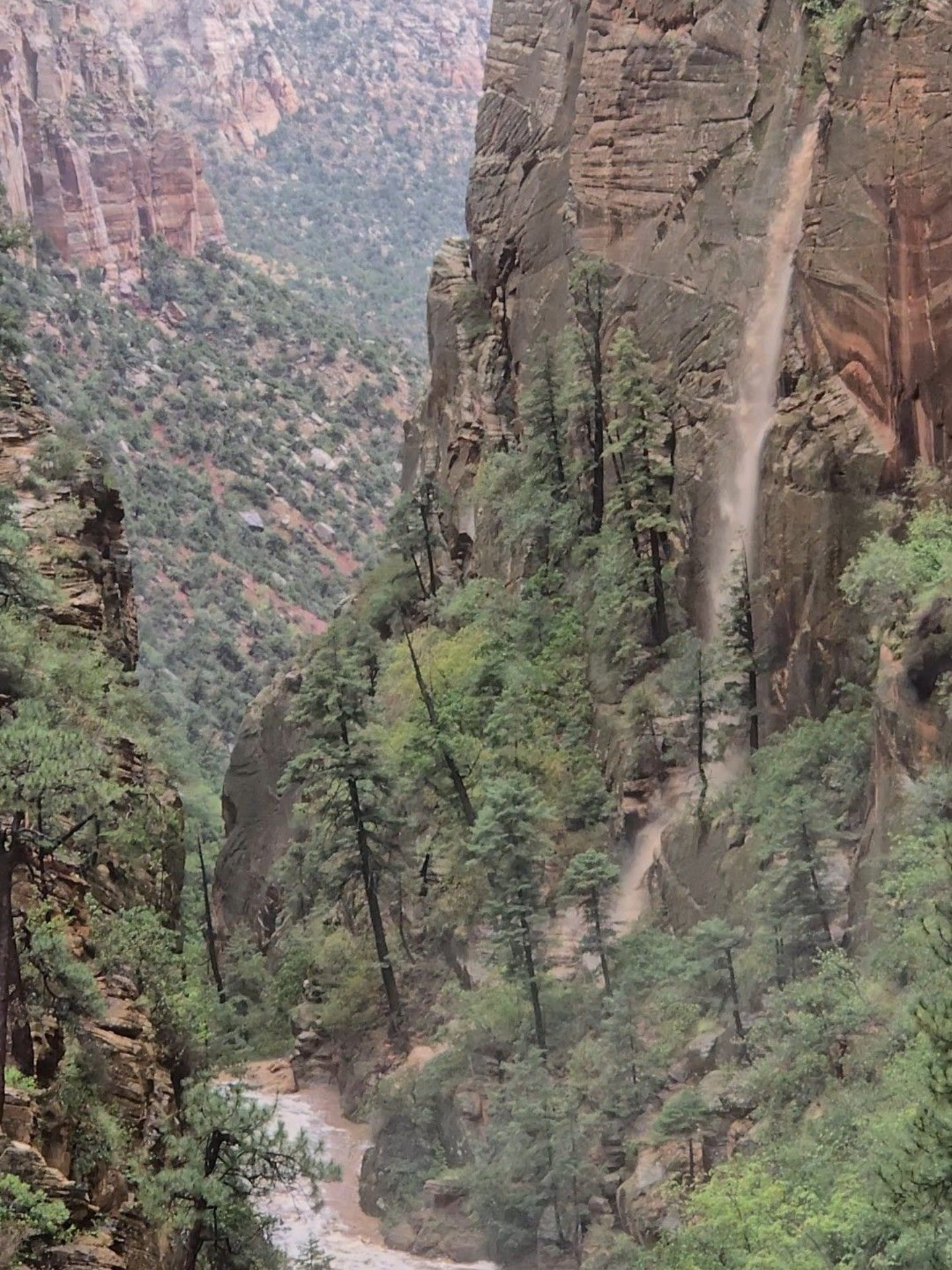
The dryfall that had been completely dry only minutes earlier was now carrying not one, but two enormous rivers of water. It was one of the most incredible things I've ever seen and one of the most terrifying. I would estimate that each waterfall was flowing at least 500 cubic feet per second, or CFS.


CFS is a measurement of water flow. One cubic foot is roughly the volume of a basketball, so you can imagine a basketball-sized volume of water moving past a fixed point every second. Now imagine 500 of them. Then double it to account for each waterfall. We had gone from a completely dry waterfall to more than 1,000 cubic feet per second of water in less than five minutes.


That is the power of a flash flood. It doesn't need to look dangerous five minutes beforehand. It doesn't need to give you hours of warning. Sometimes the canyon can go from completely dry to deadly in the amount of time it takes to rappel a single pitch.


The adrenaline hit hard. We were standing at a safe vantage point above the canyon, watching an unbelievable amount of water pour through the canyon below us. We high-fived, celebrated, danced in the rain, and took videos. I went into rescue mode and started assessing our location. Was our perch safe from flooding? What about falling rock? Were we at risk of hypothermia? Did we have enough water? Could we retreat if conditions changed?


After about ten minutes, I became convinced that our location was safe enough to wait. And it wasn't until then that the reality of what had just happened started to sink in.


We had just escaped a flash flood.


Not an hour before. Not thirty minutes before. Minutes before.


I pulled out my InReach satellite communicator and tried to tell the office that we were okay. I also asked them to contact a colleague from another company who was about an hour ahead of me and let him know that we were safe. I was almost certain he was already out of harm's way. Later, I learned that my messages hadn't actually been making it through, even though the device was confirming that they had been sent.


We didn't know that at the time. So we sat there and watched. We were on a huge adrenaline high. I told the team that this would probably go down as one of the most memorable days of my career, which by then included more than a decade of guiding.


And it was. Just not entirely for the reasons I thought.

The Questions Came Later

The adrenaline eventually wore off, and that's when the creeping thoughts started. Why were we in that canyon that day? How close had we come? What would have happened if I hadn't decided to climb out? What if we'd stayed another five minutes? What if we'd been at the next rappel? What if I'd decided to finish the route?


There is still a young boy missing after a flash flood in that canyon in 2016. That could have been us.


Those are hard thoughts to sit with, especially because at the time nothing felt obviously reckless. We'd checked the weather. We'd talked about the conditions. We'd adjusted our plans. We knew there had been significant rain. We had a turnaround time. We were paying attention.


And still, the canyon changed dramatically in minutes.


That's what makes flash floods so dangerous. There isn't always a single moment where the canyon suddenly screams that you're in trouble. Sometimes there are small signs that accumulate until your gut tells you something has changed. Sometimes the forecast looks reasonable and the water in the canyon is still low, but the storm upstream is already changing the equation.

Reddish-brown muddy rock face with a small stream or runoff flowing down a narrow canyon

Waiting for the Floodwater to Recede in Water Canyon

Fortunately, the place we'd climbed to was safe. Unfortunately, we were effectively trapped there. Waterfalls surrounded us, and the trail was impassable in multiple places.


It was now around 12:15 p.m. The rain had arrived earlier than forecast, but I knew the storm wasn't expected to continue indefinitely. So we waited.


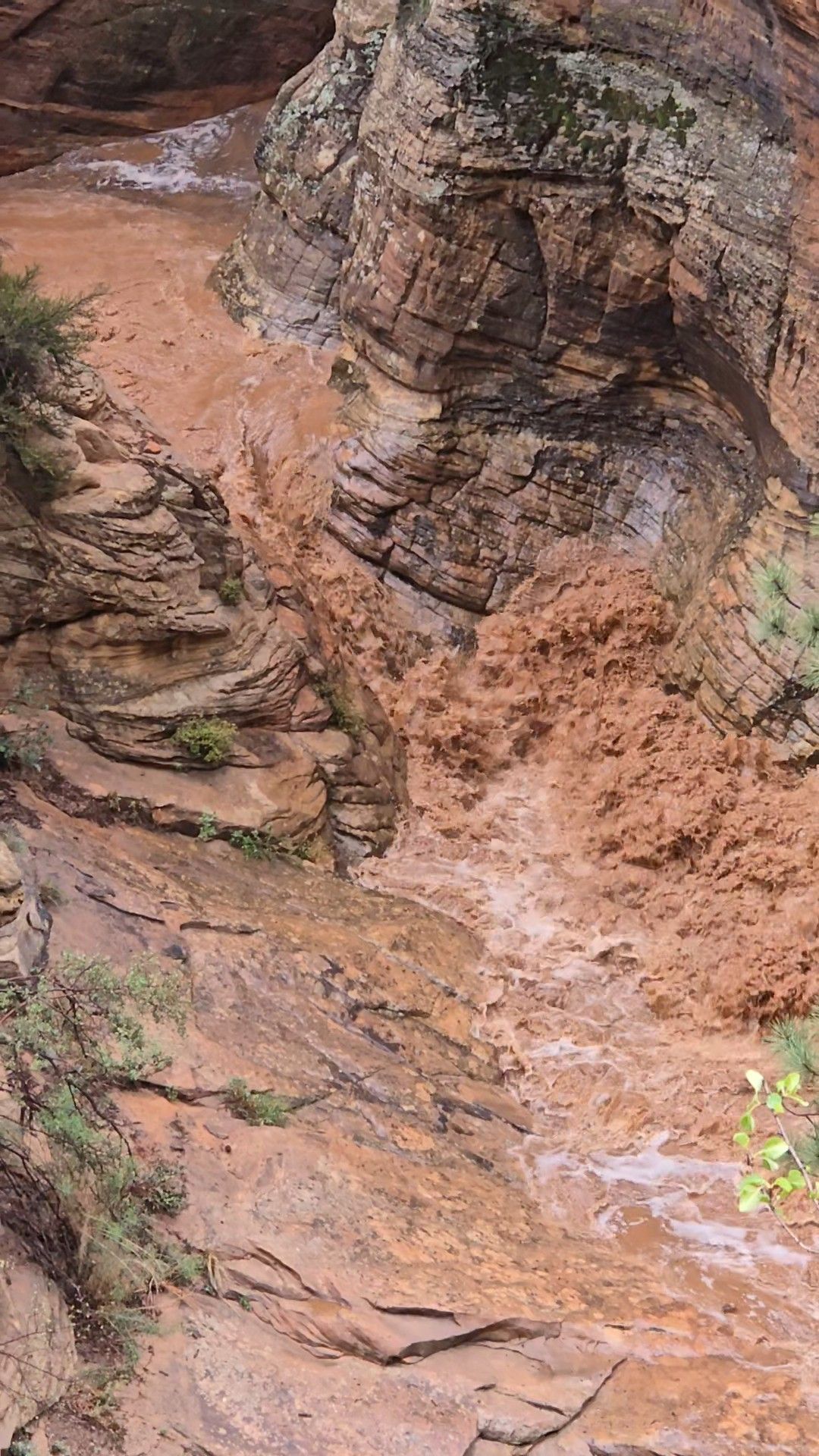
Eventually, the smaller waterfalls stopped flowing, giving us access to portions of the trail. But the main floodwater took more than an hour to recede enough for us to safely move through the lower section. Those who know Water Canyon will understand just how significant that was. The constriction at the spring never completely emptied while we were there.


We ended up using an alternate anchor that I'd heard about years earlier but had never actually used. It was covered in spiderwebs, but it passed a careful inspection. We estimate that the water had risen at least 40 feet. It had covered the anchor at a rappel we call "Born Again." At that point, the watercourse splits, with most of the water normally flowing to the right. I had never seen water flow to the left over the Born Again anchor. Incidentally, in the weeks since our flood, I’ve seen remnants of it flowing. Again. 


The island of rock between the two channels was a place I would previously have considered high ground. During this flood, it came within only a few feet of being completely engulfed. That was perhaps the clearest reminder of the day: your idea of what constitutes safe ground can change very quickly when you're dealing with floodwater.


By the time we reached the final rappel, the water was steadily receding. The clouds had cleared, the rain had stopped, and the thunder was gone. For the first time in hours, the canyon felt like it was quieting down. We felt comfortable enough to practice ascending, which was one of the skills my guests were particularly interested in reviewing before heading out on their own canyoneering adventures over the next few days.


Eventually, we made our way back to the car. And here's the strange part. It looked like it hadn't even rained there. That's so southern Utah.


A storm can dump an enormous amount of water into a drainage while the parking area a short distance away remains almost completely dry. That's why understanding flash flood safety in Utah is so important. You cannot always look at the sky above you and determine whether you're safe.

What Are Flash Floods in the Desert Southwest?

A flash flood is a sudden increase in the depth and speed of water in a river, stream, wash, or canyon, usually caused by heavy rainfall. In the desert Southwest, the rain causing the flood may not even be falling where you are. A storm miles upstream can dump enormous amounts of water into a drainage, sending that water racing through a canyon while the sky directly above you is blue.


Flash flood water is often muddy and filled with debris. That debris can include branches, tree trunks, rocks, boulders, and sediment. In a narrow canyon, there may be nowhere to escape. And contrary to what you might see in movies, you cannot outrun a flash flood from the canyon floor.

Flash Flood Warning Signs in Southern Utah

There isn't always one dramatic sign that tells you a flash flood is coming. Instead, it's often a collection of smaller changes. Pay attention when the weather deteriorates. Watch for clouds building around you or thunder becoming louder. Notice whether the water changes color from clear to muddy, whether debris begins floating downstream, or whether the water level and current begin increasing. An increasing roar of water upstream can also be an important warning sign.


And remember that rain doesn't have to be falling directly on your head. One of the most dangerous misconceptions about flash floods is that you're safe if the weather overhead looks okay. In a desert canyon, the storm that matters may be several miles away.


In Water Canyon, the thing that ultimately convinced me to leave wasn't one single dramatic warning sign. It was the combination of the weather, the thunder, the recent flooding, and a feeling that I didn't want to be on the canyon floor anymore. I couldn't tell you exactly which piece of information tipped the scale. Water Canyon has a reputation for big, nasty floods. I just knew it was time to go.

Narrow canyon with steep red cliffs, pine trees, and a winding stream below a waterfall

How to Prepare for Flash Floods Near Zion National Park

Before entering a narrow canyon, dry wash, or stream, check the weather forecast carefully. Check it again before you lose service, and pay attention to the forecast for the entire drainage rather than simply the location where you'll be standing. If you're visiting Zion National Park or another area of southern Utah, check with the appropriate visitor center or land manager for current conditions and flash-flood potential information.


Know the canyon you're entering. Understand where water is likely to collect, where escape routes exist, and where you can reach higher ground. Leave an itinerary with someone who isn't on your trip and establish a time when they should expect to hear from you. Carry extra food and water in case flooding prevents you from completing your planned route or returning to your vehicle.


Most importantly, have a backup plan. And be willing to use it. Your canyon will still be there tomorrow. 

What to Do During a Slot Canyon Flash Flood

If you encounter a flash flood, get to higher ground immediately. Don't waste time collecting your gear, packing equipment, or trying to save something you've left behind. Gear can be replaced. You cannot.


Never attempt to cross or enter moving floodwater. Even relatively shallow moving water can be incredibly powerful. Around six inches of moving water can knock a person off their feet, while roughly 12 to 24 inches can be enough to move a vehicle.


In a slot canyon, the danger is even greater because the water may be carrying rocks, branches, logs, and enormous boulders. Flash floods can be deadly, and the danger isn't simply drowning. People can be struck by debris or thrown against rocks by the force of the water.


If you're already inside a canyon and conditions begin deteriorating, get as high as you safely can. If there is a safe escape route, use it before the water arrives. And if you've reached safe ground, stay there. Be patient. Floodwater can take hours to recede.

The Lesson I Keep Coming Back To: Trusting Your Gut

I've replayed this day in my head a lot. There are things I wish I'd done differently. There are decisions I'm still thinking about. But there are also things I'm incredibly grateful for. Most of all, I'm grateful that I listened to the feeling that told me it was time to leave.


I didn't have a dramatic piece of evidence. The water wasn't rising around my ankles. There wasn't a wall of water behind us. The forecast wasn't screaming DANGER. I simply knew I didn't want to be in the canyon anymore.


Sometimes that's enough.


The lesson I take from this isn't that you should never go canyoneering when there is a chance of rain. Southern Utah is a place where weather can be complicated, and some of the most incredible canyon adventures happen under imperfect conditions. The lesson is that you need to understand the risks, continuously evaluate the conditions, and be willing to change your plans.


The canyon doesn't care about your itinerary. It doesn't care how much time you spent driving to the trailhead. It doesn't care that you've been looking forward to this trip for six months. And it certainly doesn't care that you're only four minutes from the next rappel.


And perhaps most importantly, give yourself permission to turn around.


The best canyoneering trip isn't necessarily the one where you complete the route. It's the one where everyone gets home.

Divider
A piece of torn paper on a black background.
By Jillian Mielke • September 15, 2026
Building a Home: The Story of Our Employee Housing
Feet in sandals beside coiled ropes on a wooden deck, with green pants visible
By Jillian Mielke • July 23, 2026
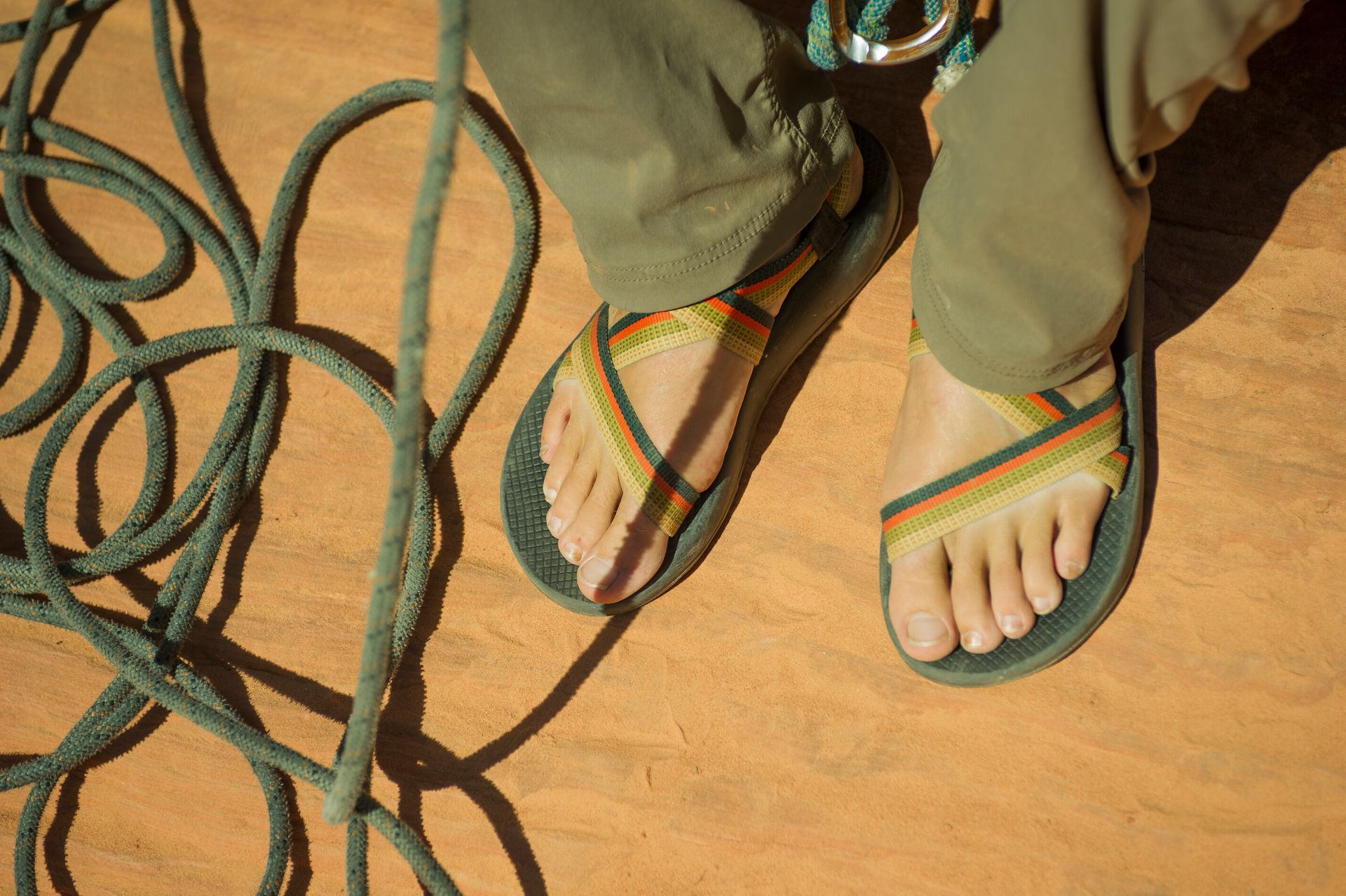
Wondering what shoes to wear canyoneering? Compare Crocs, Chacos, boots, and approach shoes, and discover why there isn't one perfect choice for every adventure.
Three people stand inside a narrow, orange-walled sandstone canyon, smiling and posing for a photo.
By Jillian Mielke • July 22, 2026
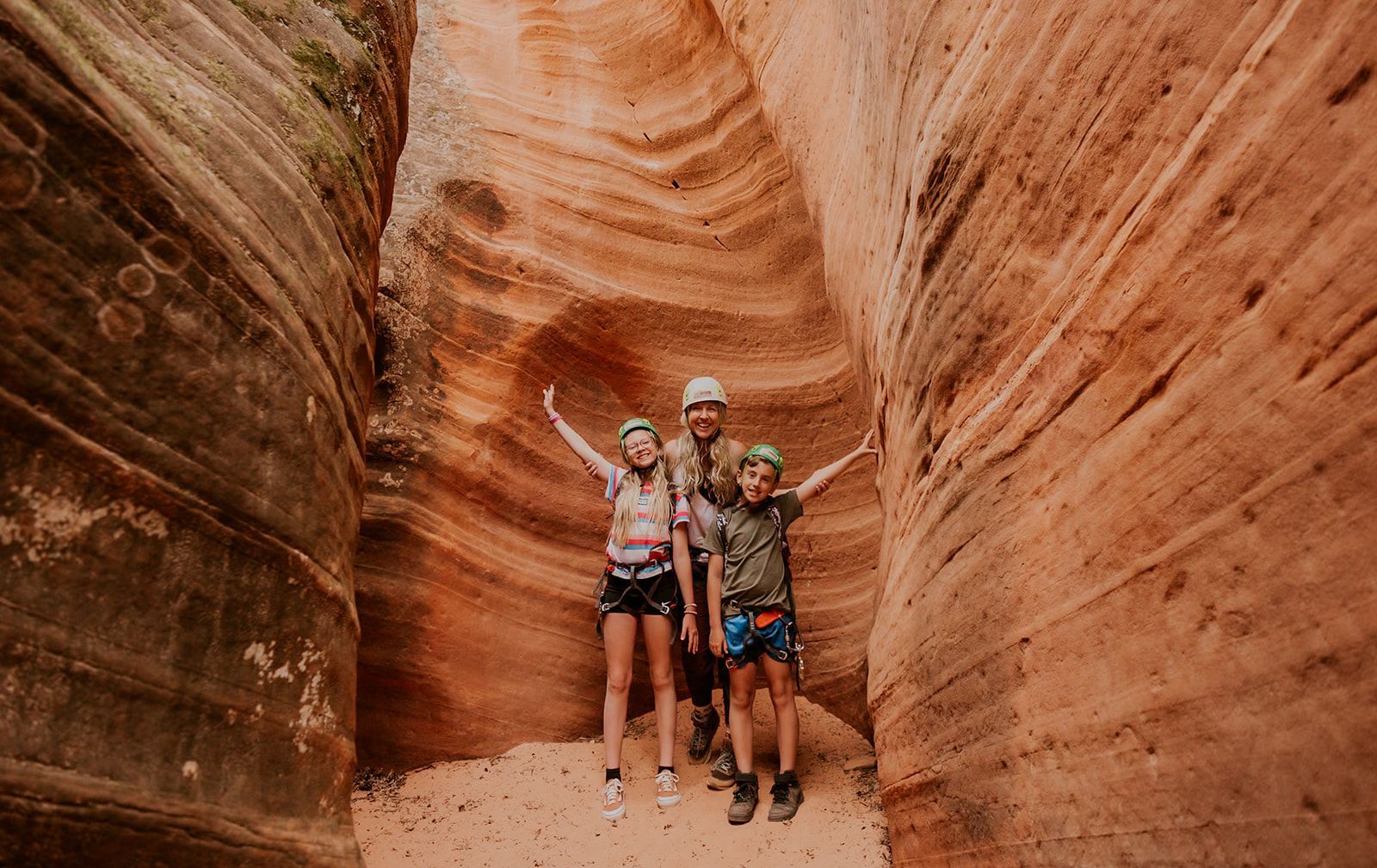
4th graders get free entry to U.S. national parks. Celebrate with a private Zion family adventure from All Ways Adventure. Safe, expert guides, all ages welcome.
By Jillian Mielke • June 18, 2026
Discover how geologists use Navajo Sandstone cross-bedding in the American Southwest to track ancient Jurassic winds and trace sand back to the Appalachians.
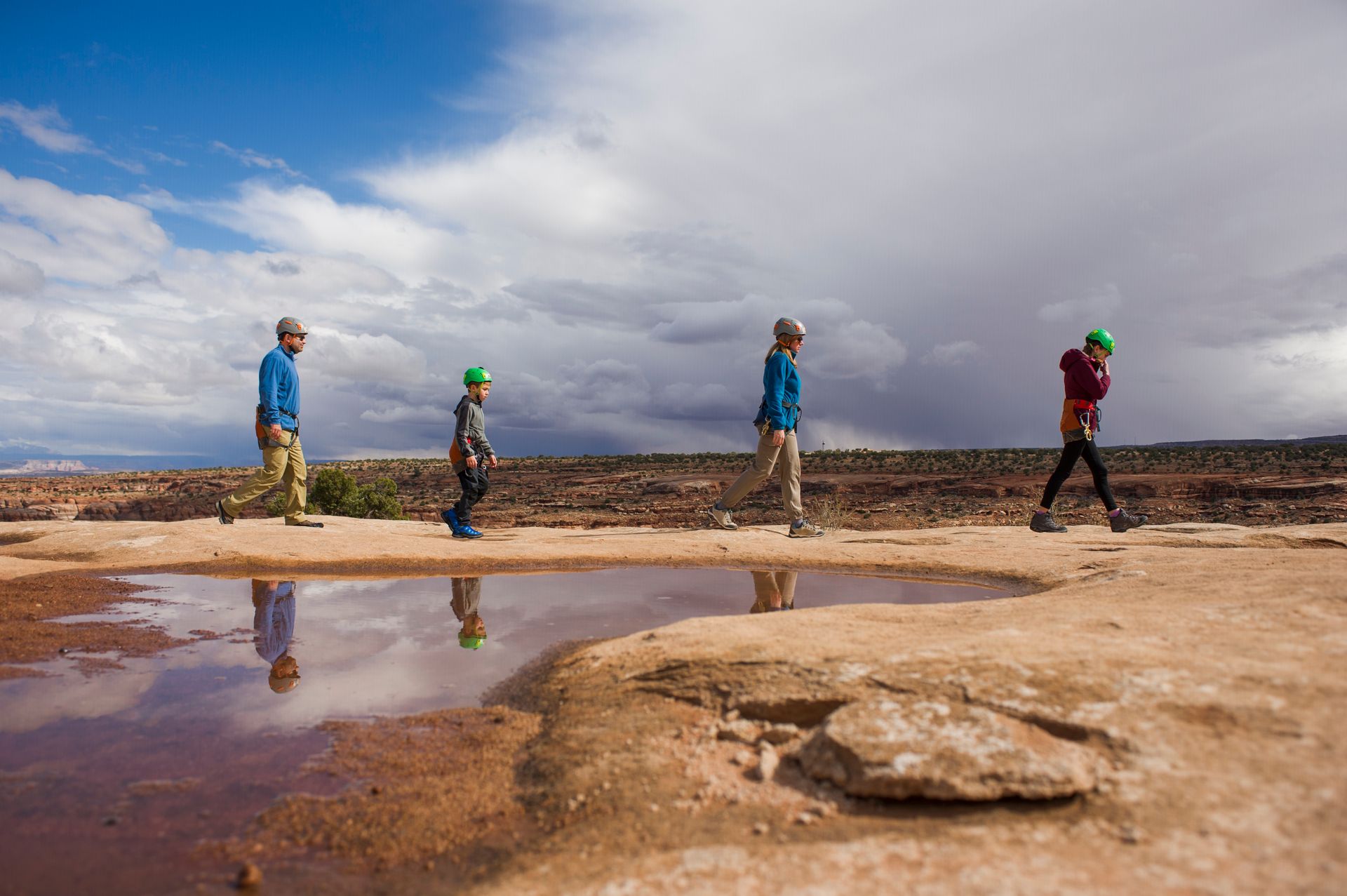
Four hikers with backpacks walk along a muddy desert trail under a cloudy sky.
By Jillian Mielke • May 8, 2026
Visiting Zion during monsoon season? Learn about flash flood safety, slot canyon risks, desert rainstorms, and the incredible waterfalls that appear after summer storms.
By Jillian Mielke • May 4, 2026
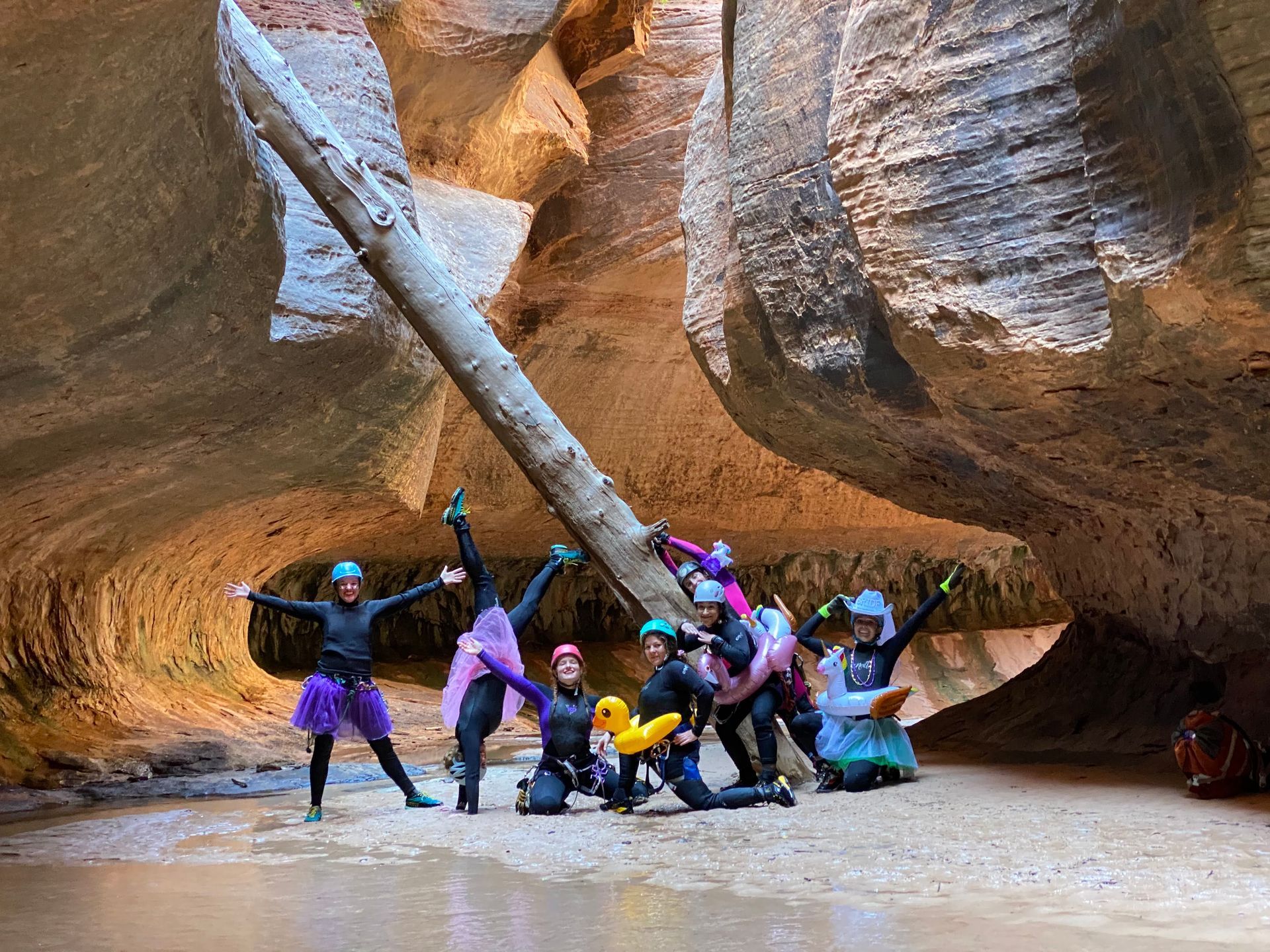
How to Plan the Perfect Weekend Don't let the logistics of a Zion National Park bachelorette party stress you out. At All Ways Adventure , we handle the "heavy lifting" so the maid-of-honor can actually enjoy the trip. From providing all the technical gear for your first rappel to recommending the best hidden sunset spots, our Adventure Consultants are your boots-on-the-ground experts. We'll help you build a custom itinerary that’s as bold as the bride. Book your custom Kanab & Zion Bachelorette Adventure today. 
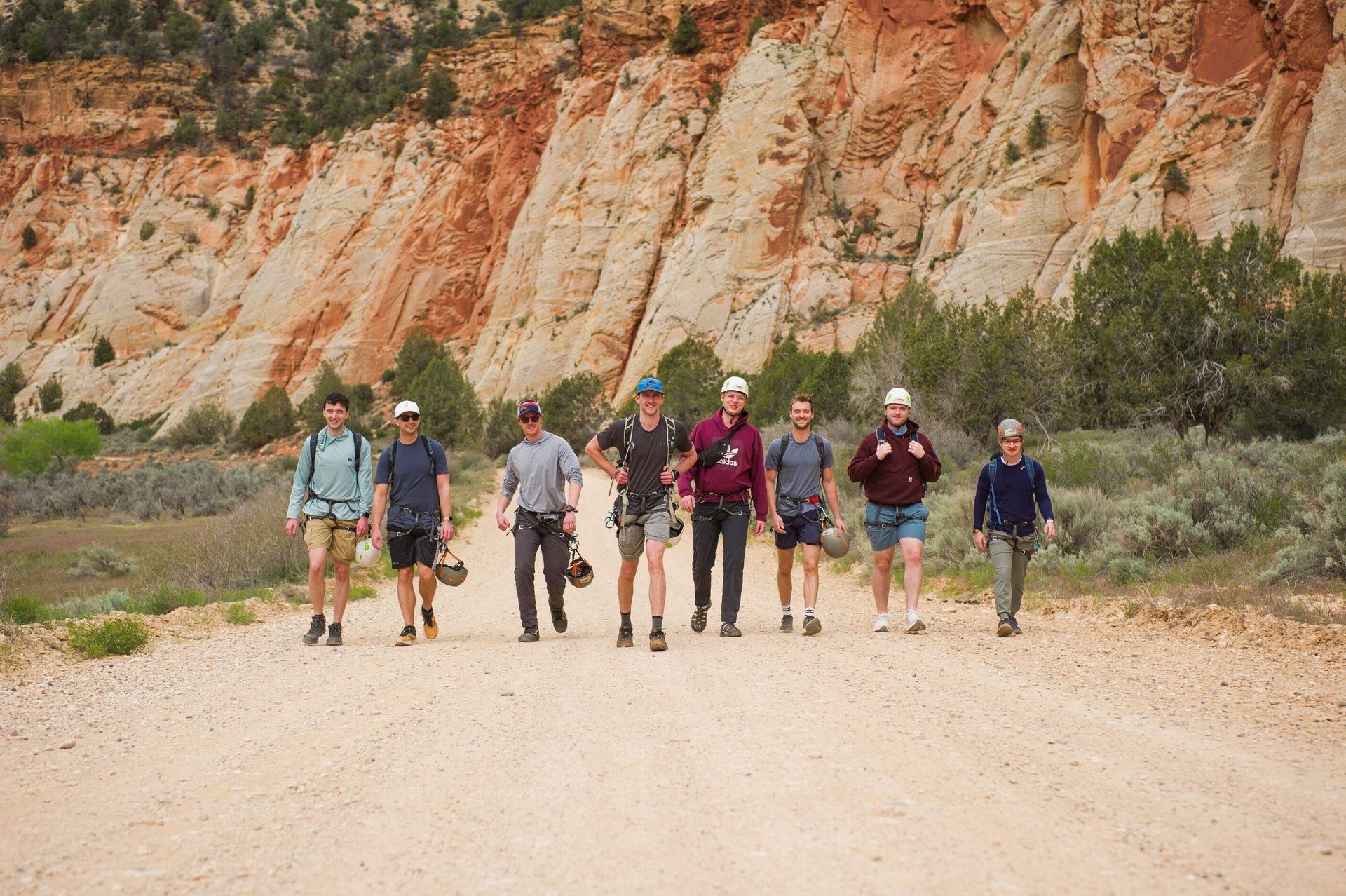
Hikers walking on a dusty trail beside layered red rock cliffs
By Jillian Mielke • May 4, 2026
Planning a Zion National Park bachelor party? Skip the crowds! Discover why Kanab is the ultimate adventure basecamp for offroad tours, canyoneering, and epic brotherhood.
Tan SUV driving on a sandy path near a colorful, layered mountain under a blue sky.
By Jillian Mielke • May 4, 2026
Discover the freedom of Utah’s public lands. A reflection on roaming 38 million acres of "stars, sandstone, and silence" and the duty to preserve our inheritance.
By Jillian Mielke • April 19, 2026
The Biggest Limitation of a Guided Narrows Hike This is the part most people don’t realize before booking. On a guided Narrows hike, there is a mandatory turnaround point at the junction with Orderville Canyon. This is right at the beginning of the famous Wall Street section. To reach that point, you’ll hike: About 1 mile on the paved Riverside Walk , plus About 1.5 miles in the river You will likely see many independent hikers continuing past this point into Wall Street . However, no reputable guide service will: Continue beyond this point Split the group Allow guests to hike ahead without the guide If your goal is to go deeper into the Narrows, a guided trip may actually limit how far you can go. Is the Narrows Safe Without a Guide? Yes, the Narrows can be safe without a guide, if conditions are good and you’re prepared . The main risks to be aware of: Flash floods (weather-dependent and serious) Cold water, especially outside peak summer Slippery rocks and uneven footing Many hikers safely complete part of the Narrows on their own each year, but it’s important to check conditions and be realistic about your comfort level. What Most People Underestimate About the Narrows A few things catch people off guard: The current : Even when water levels are considered “normal,” the flow can be stronger than expected Footing : Walking on submerged, uneven rocks takes more effort than a typical trail, especially when the water is "chocolate milk" colored due to flooding Cold exposure : Water and air temperatures can be cold even on warm days This is where some hikers appreciate having a guide, especially if they’re unsure what to expect. 
Hikers traverse a steep, winding path carved into a rocky cliffside in a canyon setting.
By Jillian Mielke • April 7, 2026
Visiting Zion for Memorial Day 2026? Learn how to avoid crowds, skip shuttle lines, and discover the best off-the-beaten-path adventures near Zion.
Hand holding a tire pressure gauge; reading approximately 65 PSI near a car tire.
By Jillian Mielke • March 10, 2026
Planning a Southern Utah adventure? Our Zion guides are ready for spring break with new canyoneering spots and private Zion tours. Book your Kanab basecamp trip today!
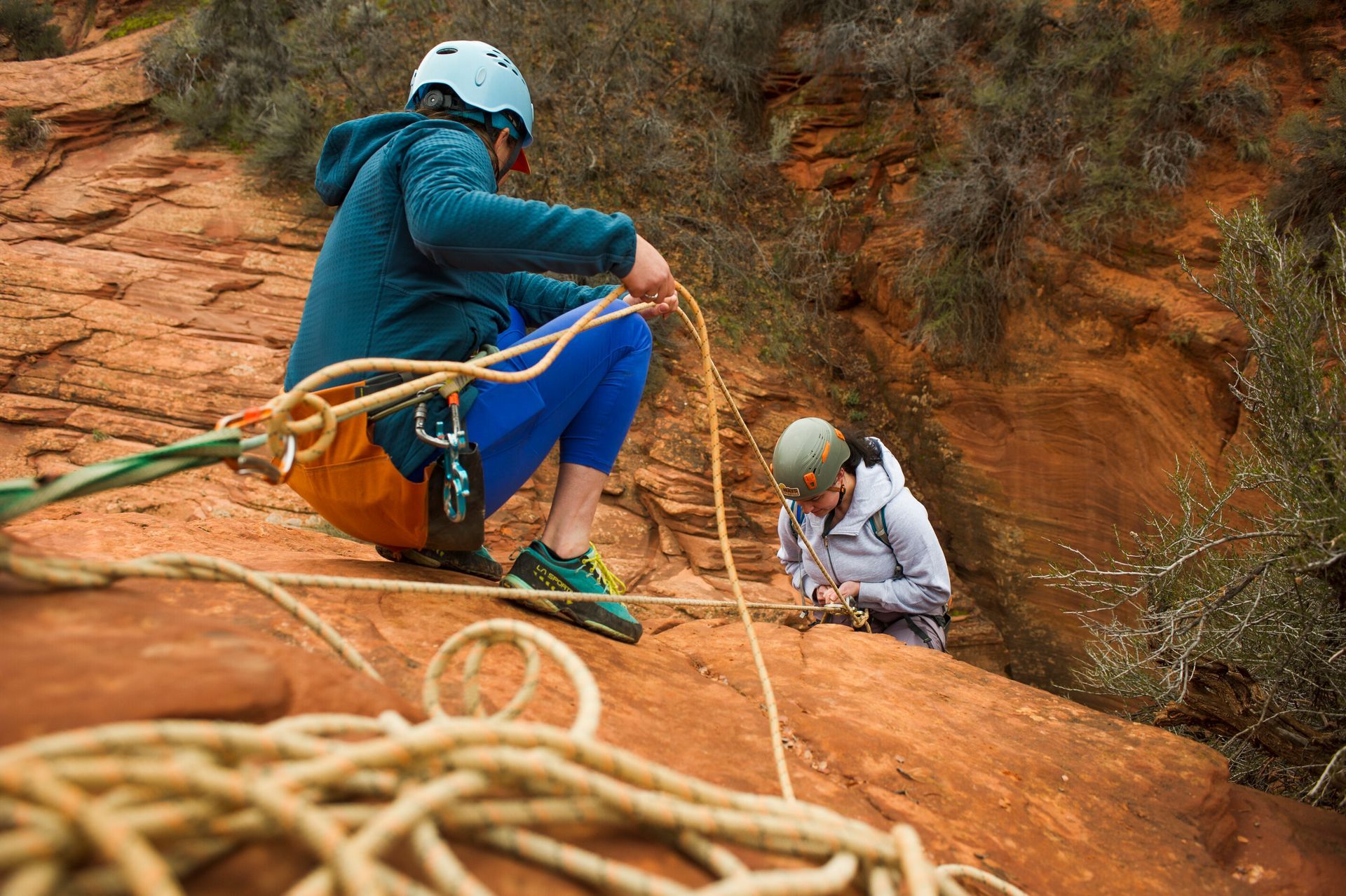
Two people preparing for a climb on a red rock formation, one handling rope, the other adjusting gear.
By Jillian Mielke • March 10, 2026
Think rappelling is only for adrenaline junkies? Discover why technical canyoneering is actually safer and more accessible than you think with All Ways Adventure.
Canyoneering in Zion
February 27, 2026
New to canyoneering? Learn what to expect, what to wear, and how to choose the right beginner-friendly tour with All Ways Adventure.
Family Adventure
February 27, 2026
Planning a family trip to Zion? Discover kid-friendly hikes, off-roading tours, and canyoneering adventures with AllWays Adventure.
Spring in Zion
February 15, 2026
Discover why spring is the best time to visit Zion, with March to May weather, blooming wildflowers, ideal water levels, and top spring activities with AllWays Adventure.
By Jillian Mielke • December 30, 2025
The Storm & The Bathrobe
People walk through the Zion Narrows
December 29, 2025
Planning a Zion RV trip in 2026? Learn how to get around the Zion tunnel closure with the best alternate routes, RV tips, and Kanab travel ideas.
Three hikers pose for selfie on a trail in a canyon with fall foliage; sunny day.
By Jillian Mielke • December 28, 2025
An aggressive viral itinerary nearly ruined our trip. Learn the difference between information and influence, and how critical thinking leads to safer, better adventures in the wild.
Zion National Park canyon overlook at sunrise
By Jillian Mielke • December 28, 2025
Visiting Zion, Bryce Canyon, or the Grand Canyon in 2026 as an international traveler? Learn how to avoid paying $100 per person and make your Southwest trip affordable.
Zion National Park
December 2, 2025
Planning your first trip to Zion? This guide covers permits, shuttles, where to stay, top hikes, and insider tips from local guides at All Ways Adventure.
People climbing steep granite with cable handrails under a clear blue sky.
By Jillian Mielke • December 1, 2025
Forget the bows and boxes. Read Jillian's personal story about how giving her dad an annual adventure for 10 years deepened their bond and inspired All Ways Adventure.
Feet in black shoes on reddish, tiled ground. Light-colored pants.
By Jillian Mielke • November 20, 2025
Discover the value of attention in a world designed to capture it. From a 10-day Vipassana meditation retreat to immersive outdoor adventures, learn how to slow down, notice the world, and experience moments that make life truly wild and precious.
Man and boy in canyon, both wearing helmets, man making a playful face, boy smiling.
By Stephanie Kichler • November 17, 2025
Stuck on gift ideas for the adventurer in your life? This guide features the best gear, books, and experiences that support conservation and local communities in the Southwest.
Two people in winter gear pose on a snow-covered landscape with mountains in the background. Sunny day.
October 29, 2025
Planning a winter hike in Zion National Park? Discover insider tips, trail conditions, and the best routes for your skill level in this comprehensive guide.
Person attaching climbing rope to a carabiner outdoors, orange and silver hardware, green shirt.
October 29, 2025
Plan your safe and scenic fall canyoneering trip in Zion National Park. Get expert tips on the best routes, essential gear, and crucial safety information.
Looking up at autumn aspen trees with bright yellow leaves and blue sky.
By Stephanie Kichler • October 28, 2025
The best places and times to see fall colors in Southern Utah. Our guide gives you the inside scoop on Zion's stunning autumn foliage.
A hand holds a piece  of petrified wood
By Jillian Mielke • October 14, 2025
Discover the ancient beauty of petrified wood in Southern Utah. Join All Ways Adventure for a guided fall tour through this fascinating natural wonder.
A person navigates a narrow, orange sandstone canyon, wearing a helmet and gear, reaching out to walls.
July 31, 2025
Curious about Zion canyoneering or rock climbing? Learn the key differences, gear needs, and expert tips to choose your ideal adventure.
A woman is sitting on top of a rock overlooking a canyon.
By Jillian Mielke • July 16, 2025
A personal tribute to the beloved North Rim Lodge—its memories, meaning, and the canyon community it touched. A reminder to savor the places and people we hold dear.
A man and a woman are holding a dog in their arms.
By Jillian Mielke • July 7, 2025
Hike Zion with Wren, our beloved trail dog! From cow pie baths to canyon storms, discover her story—and request her on your next guided adventure with All Ways Adventure.
People walk through a stream that flows through a canyon.
By Jillian Mielke • June 27, 2025
Beat the heat with early starts, shady canyons, and cool rides. All Ways Adventure customizes summer trips in Southern Utah for comfort, safety, and unforgettable desert experiences.
A man is standing in the middle of a canyon.
June 6, 2025
Explore the best canyoneering in Utah just outside Zion. Discover top routes, expert tips, and unforgettable adventures—no permits required. Plan your private guided trip with All Ways Adventure.
Family of four with helmets and harnesses in a narrow, orange sandstone canyon. They smile at the camera near a fallen log.
May 24, 2025
Torn between hiking and canyoneering in Zion? This guide breaks down the key differences so you can pick the adventure that fits your style, skill level, and thrill factor—no guesswork needed.
Canyoneering with Kids
May 24, 2025
Wondering if Canyoneering in Zion is safe for beginners? Discover what to expect, expert tips, and how to start your first canyon adventure with confidence.
A man and a child are climbing up a rock wall.
By Jillian Mielke • May 9, 2025
What began with low expectations became one of our most heartwarming trips—proving that open hearts, not trip notes, shape the best adventures.
A view of the mountain surrounded by clouds
By Written by Jillian Mielke originally in July 2021 • May 6, 2025
Conquering self-doubt on Mount Rainier: a journey of resilience, gratitude, and finding strength through community and nature’s challenges. An unforgettable adventure and personal transformation.
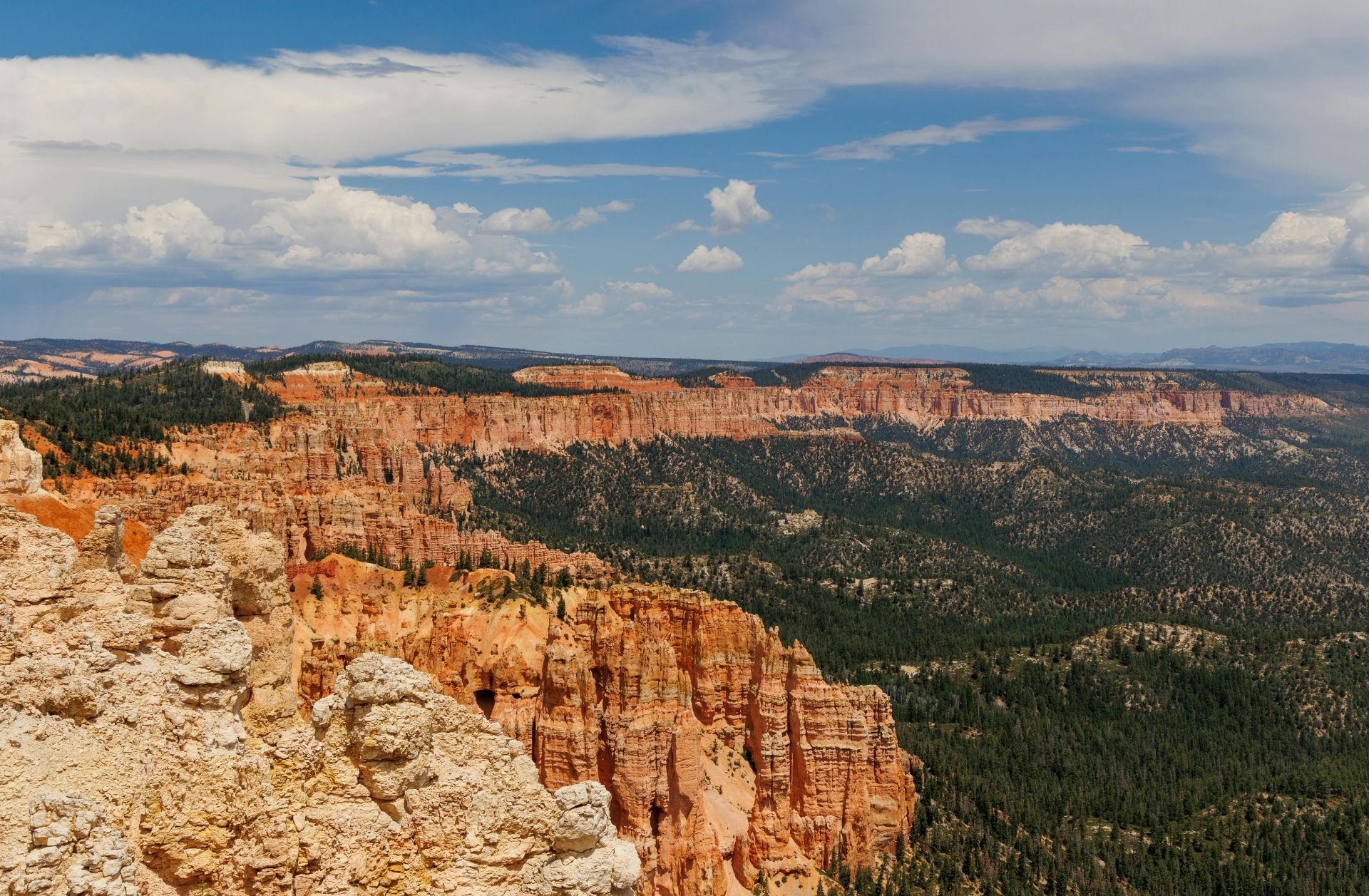
Scenic view of Bryce Canyon National Park with red rock formations, green forests, and a blue sky with clouds.
April 6, 2025
Discover secret slot canyons, epic stargazing, and expert travel tips in Kanab—your perfect base for Zion National Park adventures. Skip the crowds and explore the Southwest like a local.
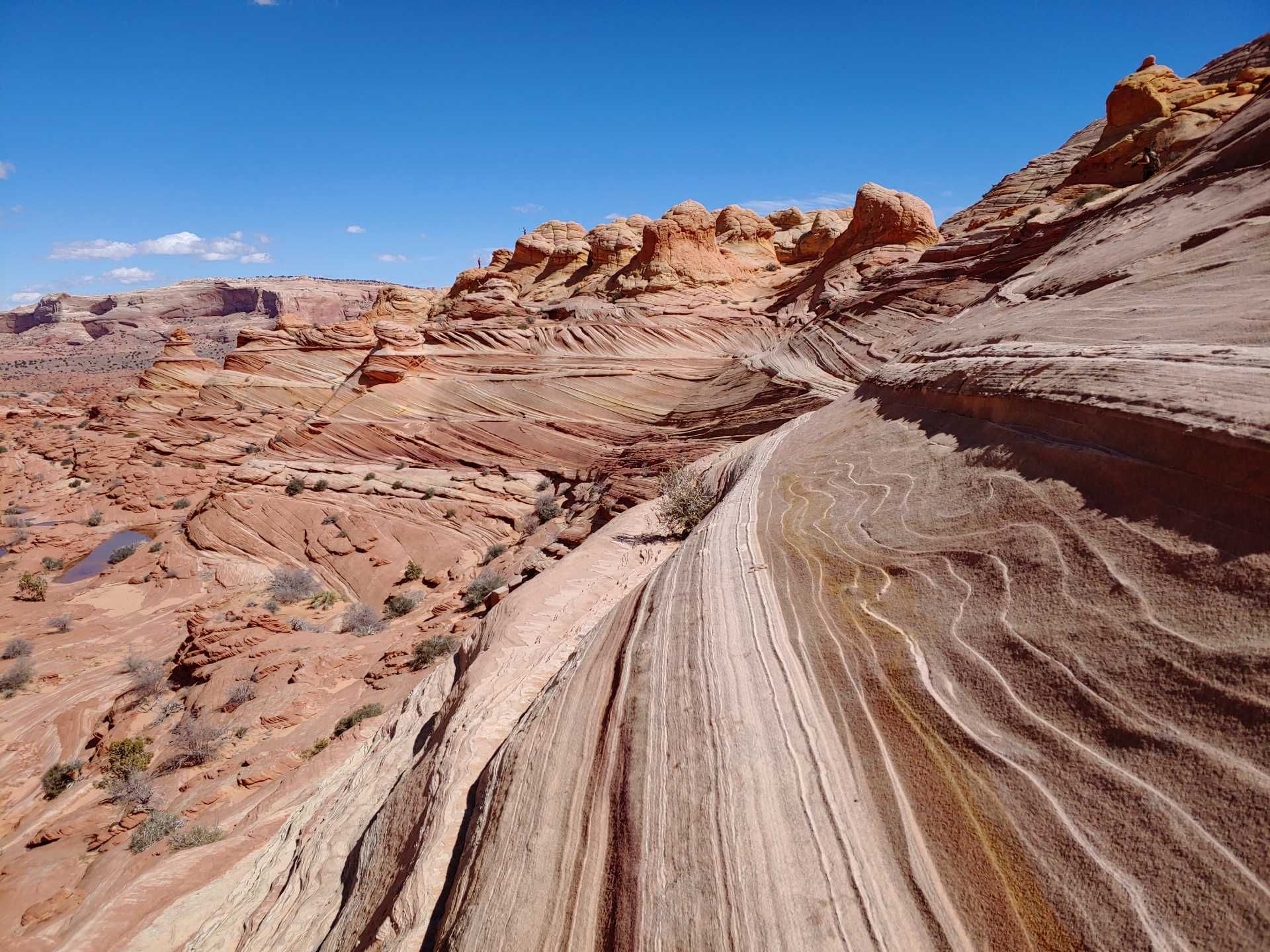
Red and tan sandstone landscape with undulating formations under a clear blue sky.
April 5, 2025
Explore the top 9 adventure-filled activities in Kanab, Utah! Perfect for thrill-seekers looking to experience stunning landscapes and outdoor fun.
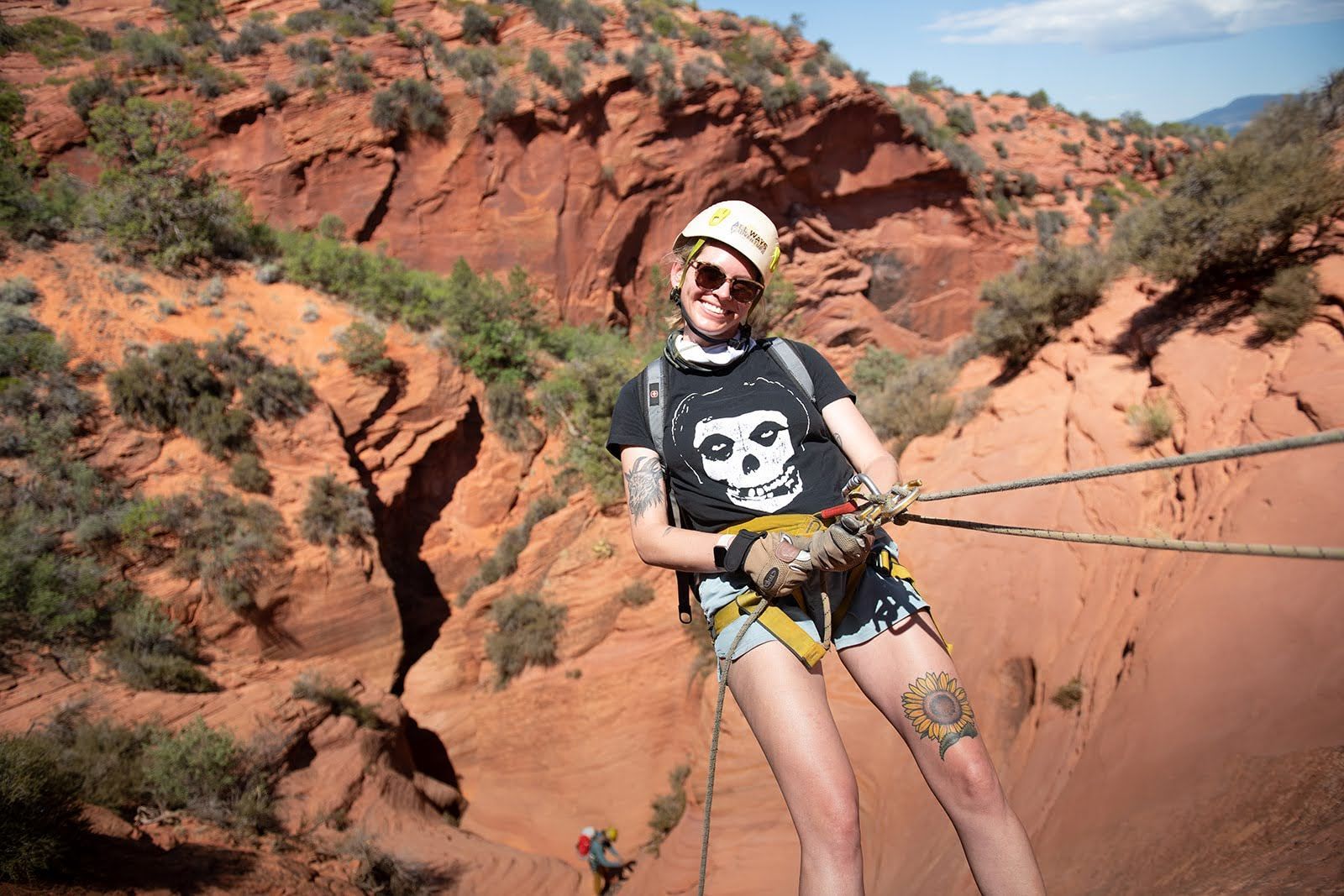
A woman is standing on top of a cliff wearing a helmet and shorts.
March 3, 2025
Avoid the 6 most common rappelling mistakes with expert guidance. Stay safe, use the right gear, master techniques, and enjoy a stress-free canyon adventure!
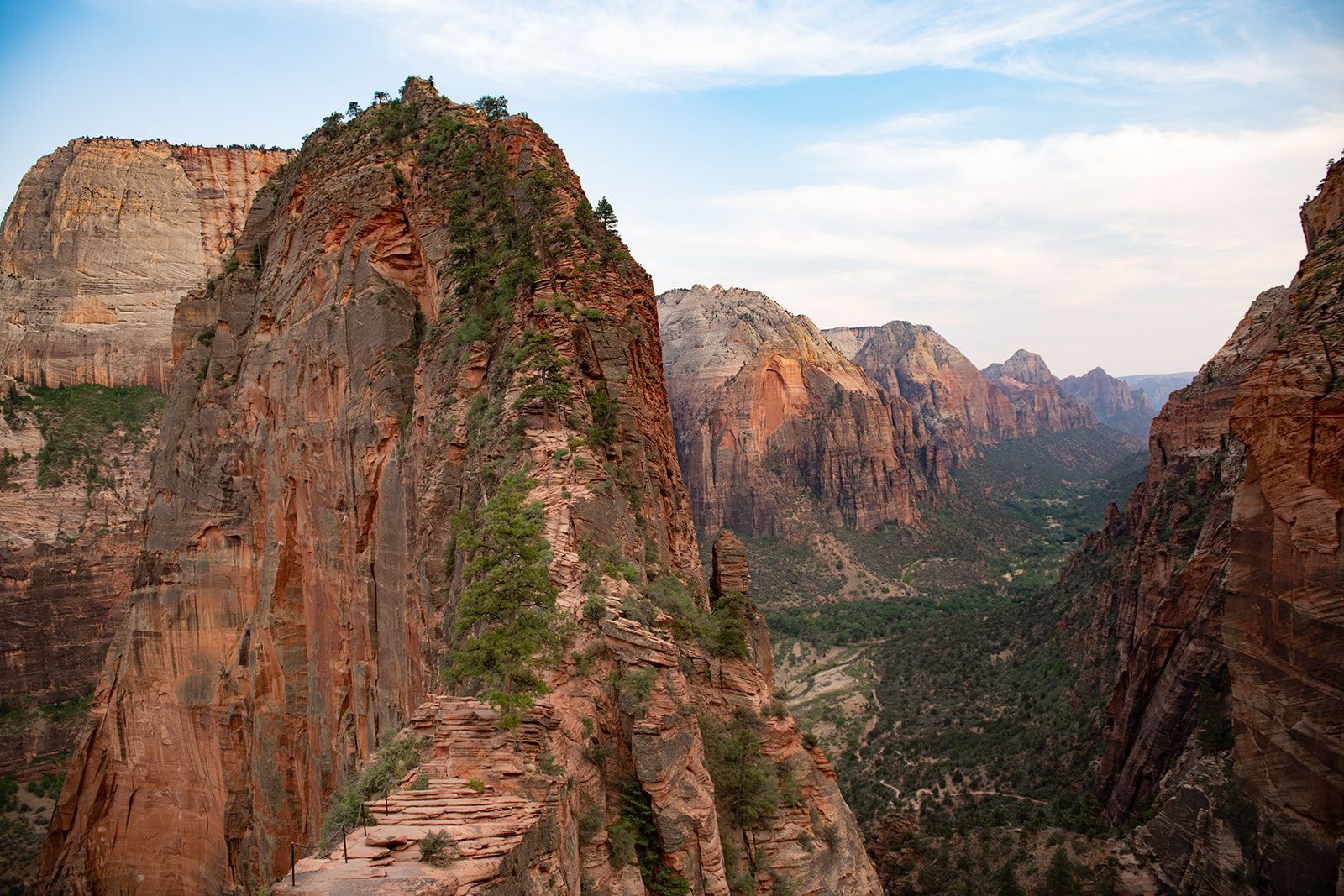
Zion National Park
March 3, 2025
Explore the 5 sections of Zion’s Angels Landing trail—what to expect, safety tips, and why this epic hike belongs on every adventurer’s bucket list.
Dirt road leading towards reddish mountains at sunset. Fields flank the road under a blue sky.
By Stephanie Kichler • February 26, 2025
Southern Utah is a launching pad for adventure. Discover why Kanab—Base Camp Kanab—is your perfect hub for exploring Zion, Bryce Canyon, and remote desert wonders.
Four people in a red rock canyon, wearing backpacks and looking up. One child is jumping.
February 1, 2025
Plan a family trip to Zion! Explore kid-friendly hikes, top trails, and family adventures with our guide. Perfect for outdoor fun with kids.
Tour Guide in Zion
February 1, 2025
Discover how guided tours in Zion National Park provide expert insights, ensure safety, and create unforgettable memories while exploring breathtaking landscapes.
Woman rappels down a sandstone cliff, wearing a helmet and safety harness. Person above anchors the rope.
By Stephanie Kichler • January 31, 2025
Break free from the "new year, new me" myth. This guide shows you why you're already fit enough to tackle new trails and adventures in the Southern Utah desert.
The Narrows
January 24, 2025
Explore The Narrows stunning hiking trail in Zion National Park, Utah, where you trek through the Virgin River surrounded by towering canyon walls.
An SUV parked on a hilltop overlooking a vast landscape. The vehicle has a spare tire and roof rack; the sky is blue.
January 24, 2025
Plan your Zion National Park trip with expert tips on top attractions, scenic routes, and travel guides. Explore Zion's breathtaking trails and unique landscapes.
Five people, wearing helmets and harnesses, stand on a rocky hillside, one pointing, under a blue sky.
By Stephanie Kichler • January 17, 2025
Learn how to adventure responsibly with our guide to Leave No Trace principles. Discover how to protect the Southwest's delicate landscapes and cultural sites on your next trip.
Zion's Geology
December 23, 2024
Discover the fascinating geology of Zion National Park—learn how tectonic uplift, ancient deserts, and the Virgin River shaped this breathtaking landscape.
Black and white photograph of a canyon landscape with layered rock formations, scattered trees, and a cloudy sky.
December 12, 2024
Explore Zion National Park’s rich history and breathtaking landscapes! Discover its towering sandstone cliffs, ancient cultures, and conservation legacy. Plan your adventure today with All Ways Adventures!
Three pottery shards with black and white geometric designs on reddish ground.
By Stephanie Kichler • November 25, 2024
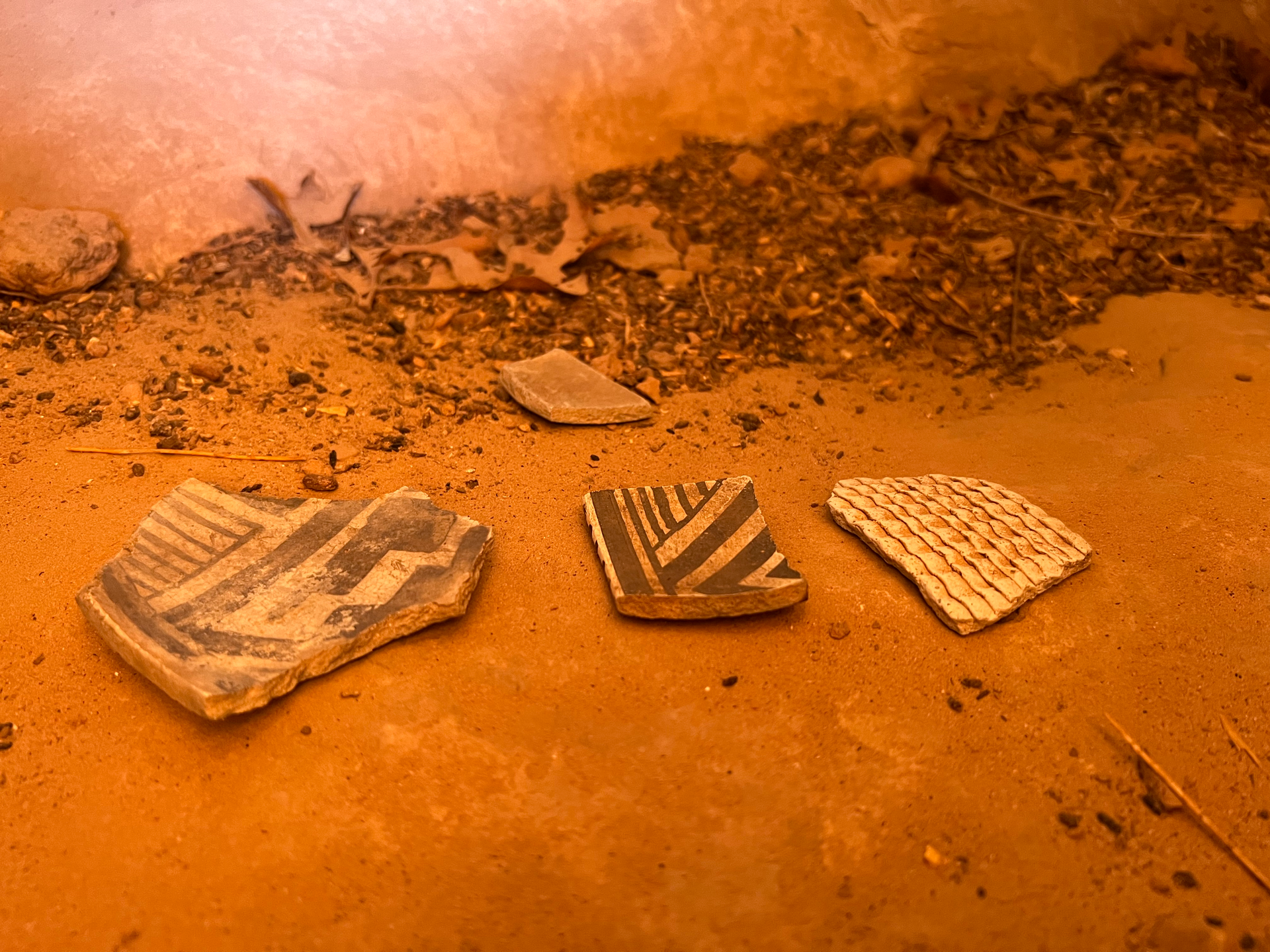
Explore the Southwest's rich history with respect. Learn how to visit sacred Native American sites responsibly and help preserve the land and cultural heritage for future generations.